

Opening Summary
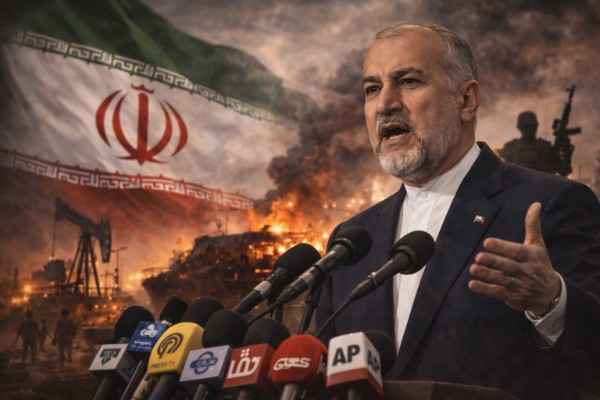
Iran has said it has not requested a ceasefire in the ongoing conflict with the United States and Israel, and sees no reason to begin negotiations with Washington, according to Iranian Foreign Minister Abbas Araghchi. The remarks were made during a televised interview as fighting in the region continues. The statement matters internationally because it signals that diplomatic efforts to end the conflict may remain stalled.
Background and Context
Tensions between Iran, the United States, and Israel escalated after coordinated U.S. and Israeli military strikes targeted Iranian facilities earlier in 2026. The attacks were linked to longstanding disputes over Iran’s nuclear programme and regional influence.
Following the strikes, Iran launched retaliatory missile and drone attacks against U.S. bases and Israeli targets across parts of the Middle East. The escalation has drawn global attention due to its potential to expand into a broader regional war.
Diplomatic efforts from several countries and international organizations have attempted to encourage ceasefire talks, but progress has been limited. Both sides have maintained strong public positions regarding military operations and negotiations.
The situation has also affected global markets and shipping routes, particularly around the strategically important Strait of Hormuz.
Latest Developments
Iranian Foreign Minister Abbas Araghchi said Tehran has not asked for a ceasefire and has not sought negotiations with the United States.
He rejected claims from U.S. officials that Iran had been trying to reach a deal to end the conflict. According to Araghchi, Iran sees no reason to enter talks with Washington, particularly after previous negotiations were followed by military action.
The foreign minister said Iran believes it is acting in self-defence and will continue responding to what it describes as aggression.
His remarks highlight Tehran’s firm stance as military exchanges between Iran and its adversaries continue across several areas in the Middle East.
Why This Matters
Iran’s refusal to seek a ceasefire or negotiations raises concerns that the conflict could continue or escalate further.
Diplomatic solutions often require both sides to signal willingness to negotiate. Tehran’s statement suggests that such discussions may not begin until military actions stop or political conditions change.
The conflict has already disrupted regional stability and contributed to rising energy prices due to risks to oil supply routes.
For countries around the world, including Canada and European nations, prolonged conflict in the Middle East can affect energy markets, international trade, and global security.
What Happens Next
Diplomatic pressure from international actors is expected to continue as governments seek to prevent further escalation.
Countries in the region and global organizations may attempt to mediate between the parties involved in the conflict.
Meanwhile, military operations and retaliatory strikes could continue as long as both sides maintain their current positions.
Observers say the possibility of negotiations may depend on developments on the battlefield and broader diplomatic engagement in the coming weeks.
Conclusion
Iran’s statement that it has not asked for a ceasefire and sees no reason to negotiate with the United States underscores the deep divisions surrounding the ongoing conflict.
As fighting continues and diplomatic efforts struggle to gain traction, the risk of a prolonged confrontation remains a major concern for the Middle East and the international community.