

Opening Summary
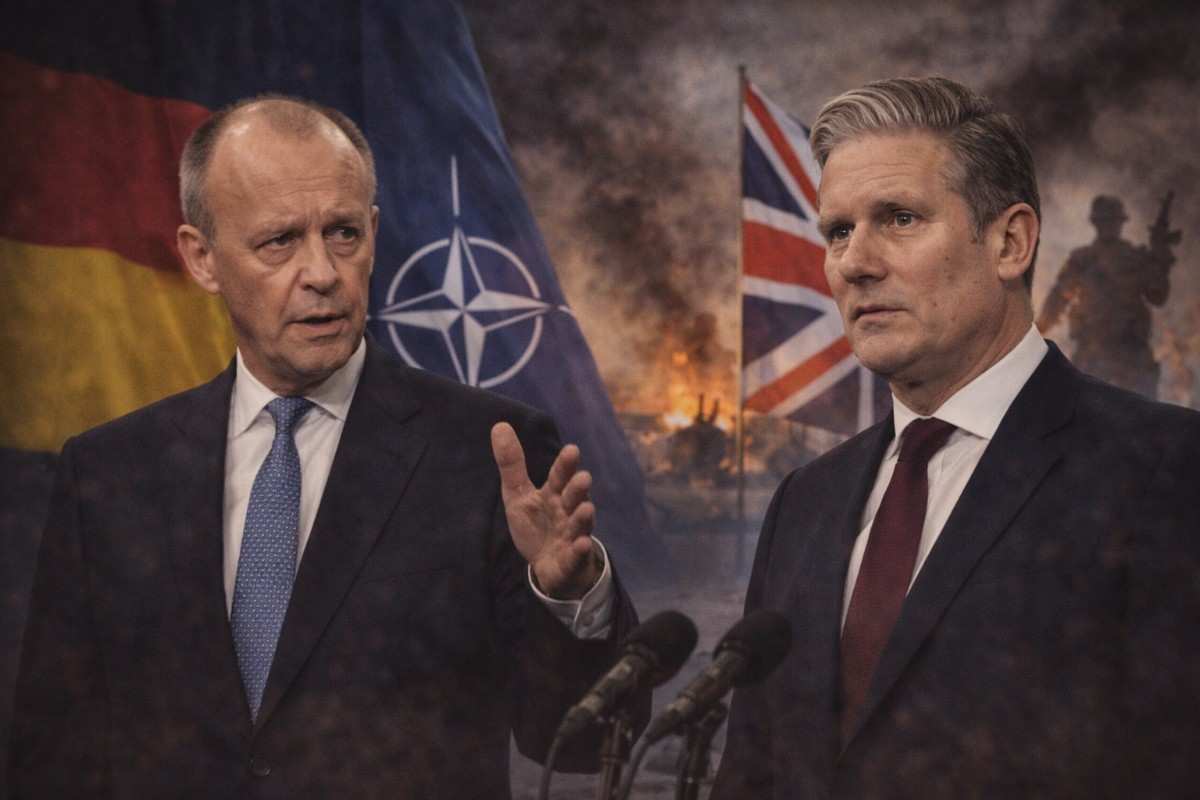
German Chancellor Friedrich Merz said the ongoing war involving Iran is “not a matter for NATO,” emphasizing that the military alliance has no mandate to participate in the conflict. At the same time, British Prime Minister Keir Starmer said the United Kingdom will not be drawn into a wider Middle East war. The statements were made as Western allies respond to growing tensions following the U.S. and Israeli strikes on Iran and subsequent Iranian retaliation.
Background and Context
The current conflict began after coordinated military strikes by the United States and Israel targeted Iranian facilities earlier in 2026. Those strikes triggered retaliatory missile and drone attacks by Iran against U.S. bases and allied infrastructure across parts of the Middle East.
The escalation has raised concerns that the conflict could expand into a broader regional war involving multiple countries. The situation has also disrupted global oil markets and threatened shipping routes such as the Strait of Hormuz.
As tensions increased, U.S. President Donald Trump called on allies to support efforts to secure the region and protect key maritime routes. However, several European governments have expressed caution about becoming directly involved in military operations.
NATO, the North Atlantic Treaty Organization, is a defensive alliance designed primarily to protect member states from external attack. Any NATO military action typically requires consensus among its members and a clear mandate under international agreements.
Latest Developments
German Chancellor Friedrich Merz said the war involving Iran does not fall under NATO’s responsibility. Speaking to reporters, he emphasized that the conflict is not part of the alliance’s collective defence obligations.
Merz also indicated that Germany has no plans to participate militarily in the conflict. German officials noted that NATO’s role is focused on defending member territories rather than intervening in external wars without a clear mandate.
Meanwhile, UK Prime Minister Keir Starmer said Britain will not allow itself to be drawn into a broader war in the Middle East. He stressed the importance of avoiding further escalation and called for diplomatic efforts to resolve the crisis.
Starmer also said that protecting international shipping and energy routes remains important, but that any response should focus on coordination and de-escalation rather than expanding the conflict.
Why This Matters
The statements from Germany and the United Kingdom highlight divisions among Western allies over how to respond to the Iran conflict.
While some countries have supported U.S. and Israeli actions, others have expressed concern about being pulled into a wider war. These differences reflect the complexity of balancing alliance commitments with domestic political and legal constraints.
The reluctance of European governments to involve NATO also underscores the alliance’s defensive nature. NATO intervention generally occurs only when member countries face direct threats.
The conflict also has global economic implications. Rising tensions in the Middle East have already affected oil prices and shipping routes, increasing concerns about energy security.
What Happens Next
European governments are expected to continue diplomatic efforts aimed at preventing further escalation in the region.
Discussions among NATO members may focus on defensive measures and intelligence cooperation rather than direct military involvement.
Meanwhile, the United States and its allies will continue evaluating strategies to maintain maritime security and protect energy supply routes.
The broader international community, including the United Nations, may also attempt to mediate efforts to reduce tensions between the parties involved.
Conclusion
Germany and the United Kingdom have made clear that the Iran war should not involve NATO and that they will avoid being drawn into a wider conflict. Their stance reflects growing caution among European governments as tensions escalate in the Middle East.
As diplomatic discussions continue, the challenge for global leaders will be to prevent further escalation while addressing security concerns and maintaining stability in a region critical to global energy supplies.