
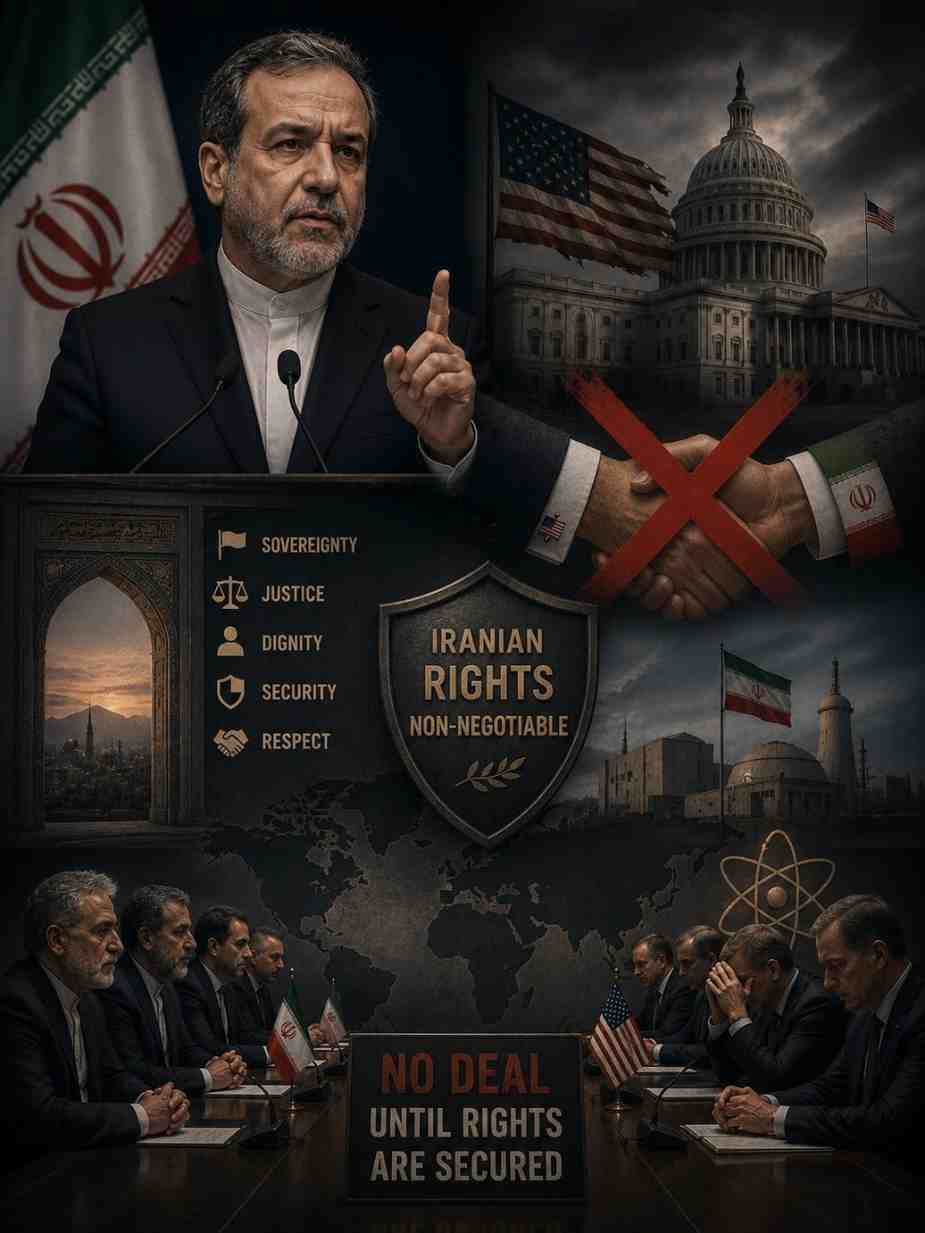
Iran’s chief negotiator has said Tehran will not agree to any deal with the United States unless the rights and interests of the Iranian people are fully protected. The comments come as negotiations continue over a possible agreement aimed at extending the ceasefire and reducing tensions in the region. The development matters globally as ongoing talks could determine the future of regional stability, energy markets, and international diplomacy.
Background and Context
Iran and the United States have been engaged in indirect negotiations following months of military confrontation, maritime tensions, and economic pressure.
A major focus of the talks has been the future of the Strait of Hormuz, sanctions relief, nuclear-related concerns, and long-term security arrangements.
Despite signs of diplomatic progress in recent weeks, both sides remain divided on several key issues, including Iran’s economic demands and the scope of future restrictions.
The negotiations are taking place amid a fragile ceasefire that has repeatedly faced challenges due to military incidents and political disagreements.
Latest Developments
Iran’s top negotiator and Parliament Speaker, Mohammad Bagher Ghalibaf, said Tehran will not approve any agreement unless it is certain that Iranian rights have been secured and tangible benefits are guaranteed.
Ghalibaf also said Iranian negotiators do not trust what he described as the promises and assurances of their opponents, emphasizing that practical results matter more than statements.
His remarks come as reports indicate that the United States and Iran are still exchanging revised proposals, with several major issues remaining unresolved.
Officials from both sides have acknowledged that progress has been made on some topics, but no final agreement has yet been reached.
Why This Matters
Iran’s position highlights the continuing challenges facing negotiations despite growing international pressure for a deal.
Any agreement could affect regional security, sanctions policy, energy exports, and shipping access through the Strait of Hormuz.
Failure to reach a deal could increase the risk of renewed military escalation and further instability in global oil markets.
What Happens Next
Negotiators are expected to continue discussions in the coming days as mediators work to bridge remaining differences.
The United States and Iran will likely continue exchanging proposals while assessing whether conditions exist for a broader agreement.
Global governments and financial markets will closely monitor developments for signs of either a breakthrough or renewed confrontation.
Conclusion
Iran’s declaration that no agreement will be accepted until the nation’s rights are secured underscores how far apart the two sides remain on key issues.
While negotiations continue, the future of the ceasefire and any long-term settlement will depend on whether both countries can find common ground on their most sensitive demands.