

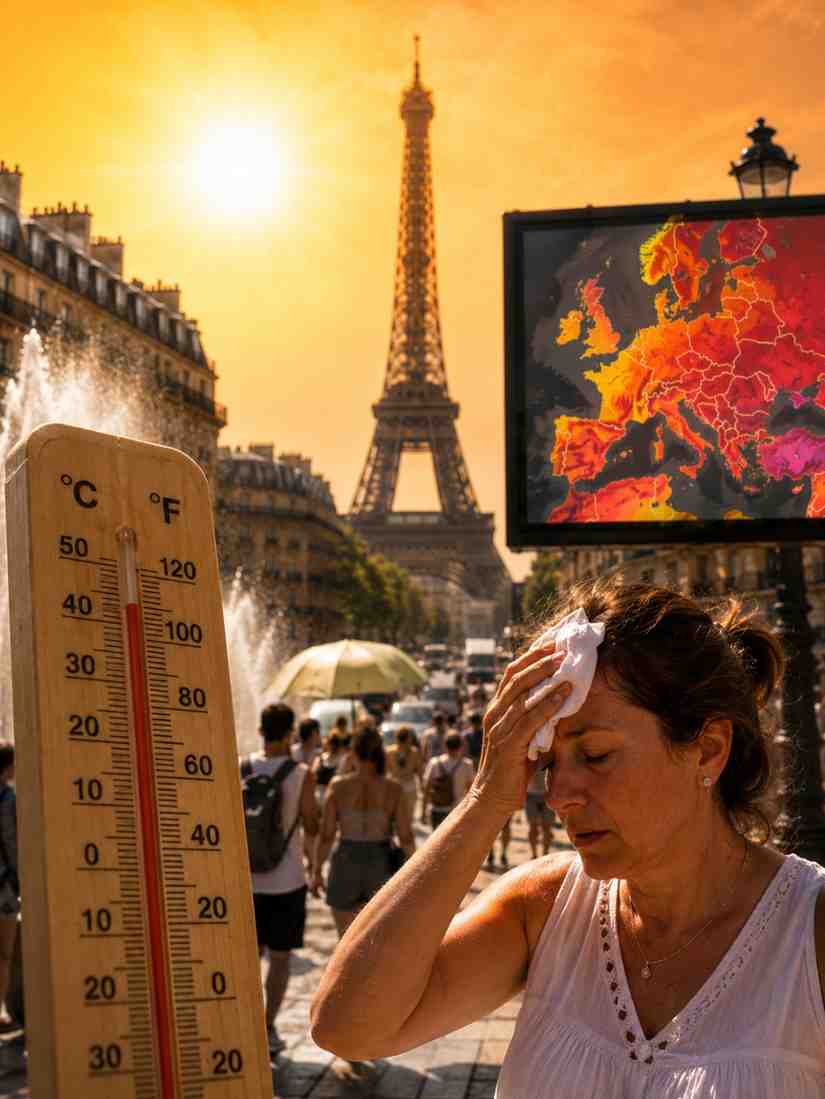
Record-Breaking Temperatures Trigger Sharp Rise in Deaths, Raising Fresh Concerns Over Climate and Public Health
Summary
France has reported 2,025 excess deaths during the peak of a record-breaking heatwave that swept across Europe, as authorities warn that the final death toll could rise further. The extreme temperatures, which affected much of the continent during the last week of June, placed enormous pressure on healthcare systems and emergency services while exposing millions of people to dangerous heat conditions.
Health officials say the mortality rate in France rose by nearly 30% compared to the previous week, with older adults and vulnerable populations suffering the greatest impact. Meteorologists have also warned that another spell of extreme weather could affect parts of Europe in the coming days, increasing concerns over the growing frequency of climate-related disasters.
Sharp Increase in Heat-Related Deaths
According to French public health authorities, the week of June 22 to June 28 saw 2,025 more deaths than expected, making it one of the deadliest periods of the recent heatwave. Officials reported that fatalities increased by approximately 29% compared to the previous week, with the Paris region experiencing the largest rise in mortality.
The heatwave also led to a surge in emergency medical cases involving dehydration, heatstroke, kidney problems, and cardiovascular complications. Authorities noted that deaths at private homes increased significantly, while hospitals and care facilities also recorded higher mortality rates during the extreme weather event.
Europe Faces Widespread Heat Crisis
France was not alone in experiencing severe consequences from the record temperatures. Several European countries, including Belgium, the Netherlands, Spain, Italy, and Germany, also reported dangerous heat conditions, with some regions recording temperatures above 40 degrees Celsius.
Officials across Europe have issued new weather warnings as another period of intense heat is expected to affect southern and central parts of the continent. Authorities are encouraging residents to stay hydrated, avoid outdoor activities during peak afternoon hours, and regularly check on elderly relatives and vulnerable neighbours.
Climate Change Concerns Grow
Scientists say the latest heatwave is another indication that extreme weather events are becoming more frequent and more intense due to climate change. Researchers have repeatedly warned that rising global temperatures are increasing the likelihood of prolonged heatwaves across Europe.
In addition to the human toll, the heat has contributed to drought conditions, increased wildfire risks, reduced water supplies, and placed additional strain on electricity networks as demand for cooling systems rises. Experts believe governments will need to invest further in climate adaptation measures and public health preparedness to reduce the impact of future extreme weather events.
Governments Strengthen Emergency Response
French authorities have activated emergency response measures, including public cooling centres, health advisories, and enhanced monitoring of high-risk populations. Hospitals and emergency services remain on high alert as officials continue to assess the full impact of the heatwave.
Across Europe, governments are coordinating weather alerts and encouraging communities to prepare for additional periods of extreme heat during the summer months. Meteorologists caution that changing climate patterns may result in more frequent temperature records being broken in the years ahead.
Conclusion
France’s report of 2,025 excess deaths during the peak of the recent heatwave highlights the devastating human cost of increasingly extreme weather across Europe. As the continent prepares for another round of high temperatures, governments and health authorities are urging the public to remain vigilant and take preventive measures. The tragedy has renewed calls for stronger climate resilience, improved public health planning, and greater international efforts to address the growing challenges posed by global warming.