
Summary
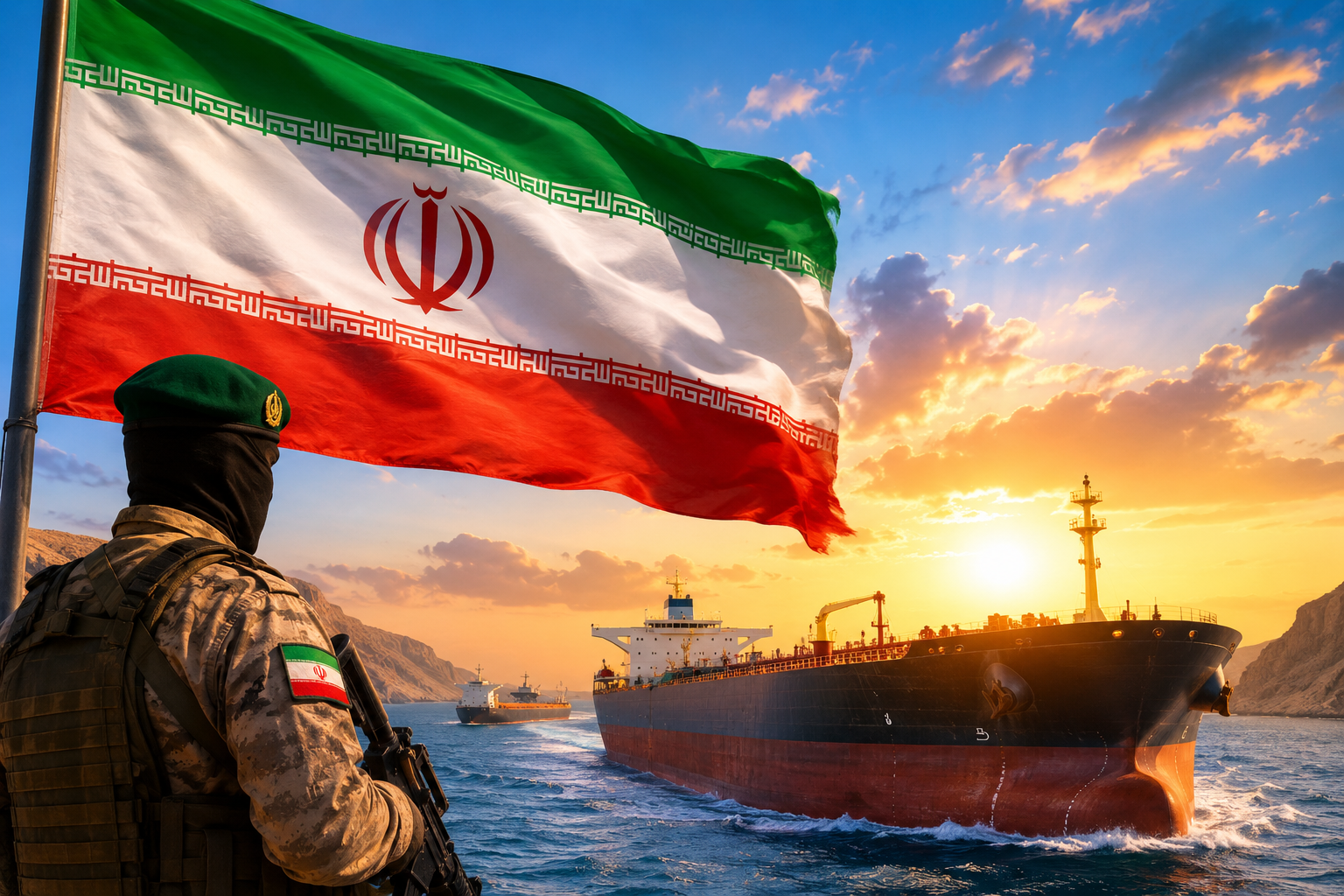
Iran has issued a stern warning to all oil tankers navigating the Strait of Hormuz, ordering them to use routes approved by Iranian authorities or face what it described as a “forceful response.” The announcement marks another escalation in tensions surrounding one of the world’s most strategically important shipping lanes, through which a significant share of global oil supplies passes every day. The warning has sparked renewed concerns over maritime security, energy markets, and international trade.
Iran Tightens Control Over Strategic Waterway
The warning was issued by Iran’s joint military command and broadcast through state media. According to the statement, any tanker that deviates from designated routes or fails to comply with Iran’s navigation protocols could face immediate military action.
Iranian officials stressed that the measure is intended to ensure security and regulate maritime traffic in the Strait of Hormuz. The statement also warned that any interference by foreign military forces in the region would receive a swift response from Iran’s armed forces.
A Critical Route for Global Oil Trade
The Strait of Hormuz is one of the world’s most important maritime chokepoints, connecting the Persian Gulf to the Gulf of Oman and the Arabian Sea. A large portion of internationally traded crude oil and liquefied natural gas moves through the narrow passage each day.
Any disruption to shipping in the strait has the potential to affect global energy supplies, increase transportation costs, and push oil prices higher. Because of its strategic importance, the waterway has long been at the center of geopolitical tensions involving regional and international powers.
Rising Regional Tensions
Iran’s latest warning comes during a period of heightened diplomatic and military tensions in the Middle East. Although discussions aimed at reducing regional instability have continued through international mediation, disagreements over maritime security and freedom of navigation remain unresolved.
The United States and several allied nations have repeatedly emphasized that commercial vessels should be able to navigate international waterways without restrictions. Iran, however, maintains that it has the authority to regulate shipping within the strategic passage under its security framework.
Potential Economic Impact
Shipping companies and energy traders are expected to monitor the situation closely as any increase in security risks could influence insurance costs, shipping schedules, and fuel prices. While commercial traffic continues to move through the Strait of Hormuz, uncertainty surrounding navigation rules may lead some operators to adopt additional safety measures or adjust transit plans.
Analysts believe prolonged tensions could have broader implications for global supply chains, particularly for countries heavily dependent on oil imports from the Gulf region. Financial markets are also likely to remain sensitive to any further developments affecting the waterway.
Conclusion
Iran’s warning requiring oil tankers to follow approved routes through the Strait of Hormuz represents a significant escalation in maritime security concerns in one of the world’s most critical energy corridors. While Tehran says the measures are necessary for maintaining order and security, the announcement has raised fresh questions about freedom of navigation and the stability of global energy supplies. As diplomatic efforts continue, governments, shipping companies, and energy markets will be closely watching developments in the region to assess the risk of further escalation.