

Opening Summary
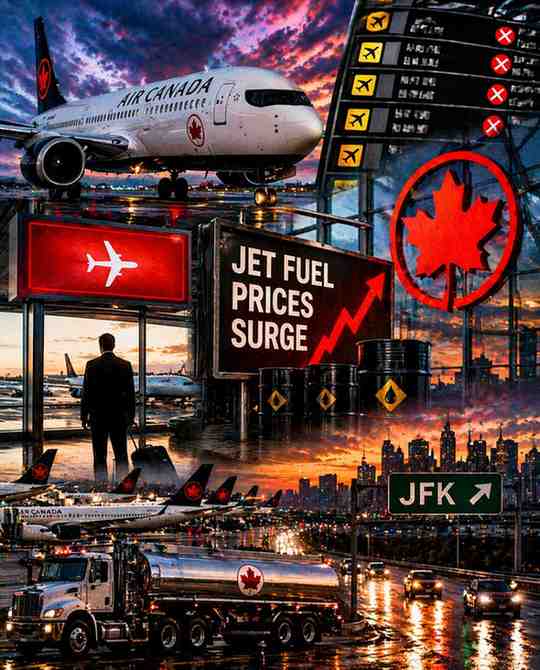
Air Canada has announced a temporary suspension of flights to New York’s JFK Airport due to sharply rising jet fuel prices. The decision comes as global energy disruptions continue to impact airline operations. The move matters as it affects cross-border travel and reflects growing pressure on the aviation industry.
Background and Context
Airlines worldwide are facing a major cost crisis as jet fuel prices have surged following ongoing conflict in the Middle East. Fuel is one of the largest expenses for airlines, often making up a significant portion of operating costs.
The disruption of oil supply routes, especially around the Strait of Hormuz, has caused fuel prices to rise rapidly. This has forced airlines globally to cut routes, increase fares, and adjust schedules.
Short-haul and lower-profit routes are often the first to be affected, as rising fuel costs make them economically unviable.
Air Canada, as the country’s largest airline, regularly reviews its network to ensure routes remain financially sustainable.
Latest Developments
Air Canada confirmed that it will suspend its Toronto and Montreal routes to JFK Airport starting June 1, with plans to resume service on October 25.
The airline said the decision was driven by a sharp increase in jet fuel prices, which have doubled since the start of the Iran-related conflict, making some routes no longer profitable.
Affected passengers will be offered alternative travel options, while the airline continues to operate flights to other nearby New York airports such as LaGuardia and Newark.
The suspension is part of broader schedule adjustments as airlines respond to rising costs and uncertain market conditions.
Why This Matters
The suspension highlights the growing impact of global fuel price volatility on airline operations.
For travellers, fewer flight options to JFK may lead to higher fares, longer travel times, or the need to use alternate airports.
The move also reflects a wider trend across the aviation industry, where airlines are reducing services or increasing prices to cope with rising fuel costs.
For the economy, disruptions in air travel can affect tourism, business travel, and cross-border connectivity.
What Happens Next
Air Canada is expected to monitor fuel prices and market conditions before deciding whether to fully resume services in October.
Other airlines may take similar steps if fuel costs remain high, potentially leading to further route reductions.
Passengers are advised to check flight availability and consider alternative airports when planning travel.
Conclusion
Air Canada’s decision to suspend JFK flights underscores the pressure that rising jet fuel prices are placing on the aviation industry.
As global energy markets remain volatile, airlines are likely to continue adjusting operations, with direct impacts on travellers and the broader travel sector.