

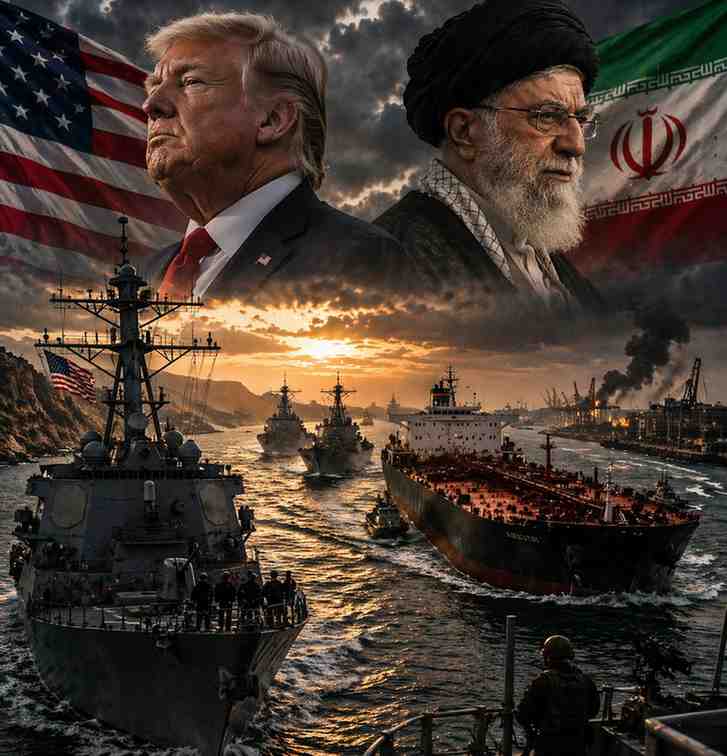
Middle East: U.S. Blockade of Iranian Ports Begins as Trump Says Tehran Wants Deal ‘Very Badly’
Opening Summary
The United States has officially launched a naval blockade of Iranian ports, marking a major escalation in the ongoing conflict. U.S. President Donald Trump said Iran wants a deal “very badly,” even as Washington increases military pressure. The development matters globally as it directly impacts oil exports, shipping routes, and energy markets.
Background and Context
The blockade follows the collapse of recent peace talks between the United States and Iran, which were aimed at ending the conflict and reopening the Strait of Hormuz.
The Strait of Hormuz is one of the most important oil transit routes in the world, handling around 20% of global oil shipments. Disruptions in the region have already caused oil prices to surge and raised fears of supply shortages.
Iran had restricted access to the strait in response to earlier military strikes, while the United States has been pushing for unrestricted shipping and lower global energy prices.
The blockade represents a shift from diplomatic efforts to direct military and economic pressure.
Latest Developments
The U.S. military began enforcing the blockade on April 13, targeting all vessels entering or leaving Iranian ports. The operation is aimed at stopping Iran’s oil exports and increasing pressure on its economy.
President Donald Trump said Iran is in a weakened position and suggested that Tehran is eager to reach an agreement despite publicly rejecting U.S. proposals.
U.S. officials warned that any Iranian vessels attempting to approach or challenge the blockade could face immediate military action.
Iran has strongly condemned the blockade, calling it illegal and warning that it could retaliate, potentially targeting shipping or regional infrastructure.
The move has already impacted global markets, with oil prices rising above $100 per barrel following the announcement.
Why This Matters
The blockade is a major escalation that could significantly disrupt global energy supplies.
By restricting Iranian oil exports, the United States is attempting to weaken Iran economically and force it back to negotiations.
However, the move also increases the risk of retaliation and broader regional conflict, especially given Iran’s strategic position near key shipping routes.
For countries like Canada and others dependent on stable oil supply, rising prices could lead to higher fuel costs and economic pressure.
The situation also raises concerns about global trade stability and freedom of navigation.
What Happens Next
Tensions are expected to remain high as both sides respond to the blockade.
Iran may attempt to challenge the blockade or retaliate through military or economic means.
Diplomatic efforts could continue through intermediaries, though prospects for a quick agreement remain uncertain.
Global markets and governments will closely monitor developments, particularly any impact on oil supply and shipping routes.
Conclusion
The U.S. blockade of Iranian ports marks a significant turning point in the conflict, with President Donald Trump claiming Iran is eager to strike a deal despite ongoing tensions.
As military pressure increases and diplomacy stalls, the situation remains highly volatile, with major implications for global energy markets and regional stability.
Opening Summary
The United States has officially launched a naval blockade of Iranian ports, marking a major escalation in the ongoing conflict. U.S. President Donald Trump said Iran wants a deal “very badly,” even as Washington increases military pressure. The development matters globally as it directly impacts oil exports, shipping routes, and energy markets.
Background and Context
The blockade follows the collapse of recent peace talks between the United States and Iran, which were aimed at ending the conflict and reopening the Strait of Hormuz.
The Strait of Hormuz is one of the most important oil transit routes in the world, handling around 20% of global oil shipments. Disruptions in the region have already caused oil prices to surge and raised fears of supply shortages.
Iran had restricted access to the strait in response to earlier military strikes, while the United States has been pushing for unrestricted shipping and lower global energy prices.
The blockade represents a shift from diplomatic efforts to direct military and economic pressure.
Latest Developments
The U.S. military began enforcing the blockade on April 13, targeting all vessels entering or leaving Iranian ports. The operation is aimed at stopping Iran’s oil exports and increasing pressure on its economy.
President Donald Trump said Iran is in a weakened position and suggested that Tehran is eager to reach an agreement despite publicly rejecting U.S. proposals.
U.S. officials warned that any Iranian vessels attempting to approach or challenge the blockade could face immediate military action.
Iran has strongly condemned the blockade, calling it illegal and warning that it could retaliate, potentially targeting shipping or regional infrastructure.
The move has already impacted global markets, with oil prices rising above $100 per barrel following the announcement.
Why This Matters
The blockade is a major escalation that could significantly disrupt global energy supplies.
By restricting Iranian oil exports, the United States is attempting to weaken Iran economically and force it back to negotiations.
However, the move also increases the risk of retaliation and broader regional conflict, especially given Iran’s strategic position near key shipping routes.
For countries like Canada and others dependent on stable oil supply, rising prices could lead to higher fuel costs and economic pressure.
The situation also raises concerns about global trade stability and freedom of navigation.
What Happens Next
Tensions are expected to remain high as both sides respond to the blockade.
Iran may attempt to challenge the blockade or retaliate through military or economic means.
Diplomatic efforts could continue through intermediaries, though prospects for a quick agreement remain uncertain.
Global markets and governments will closely monitor developments, particularly any impact on oil supply and shipping routes.
Conclusion
The U.S. blockade of Iranian ports marks a significant turning point in the conflict, with President Donald Trump claiming Iran is eager to strike a deal despite ongoing tensions.
As military pressure increases and diplomacy stalls, the situation remains highly volatile, with major implications for global energy markets and regional stability.