

Renewed Military Exchange Raises Fears of Wider Regional Conflict as Tensions Continue to Escalate
Summary
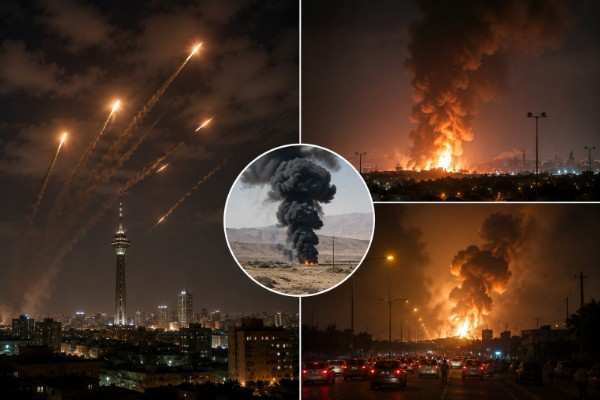
Iran has launched a new wave of missile and drone strikes after explosions were reported across parts of southern Iran, marking another sharp escalation in the ongoing conflict. Iranian authorities said the strikes were carried out in response to what they described as attacks on military and strategic infrastructure in the country’s southern provinces. The latest exchange has intensified concerns over regional stability, with military activity expanding across the Gulf and the Strait of Hormuz.
Explosions Reported in Southern Iran
Residents in several areas of southern Iran reported hearing powerful explosions overnight, with smoke rising from locations near key military and transport facilities. Iranian officials confirmed that multiple sites had been targeted but provided limited details regarding the extent of the damage.
Authorities stated that emergency response teams were deployed immediately, while security forces secured affected areas to assess the impact. Initial reports indicated that military infrastructure and logistics facilities were among the locations hit during the attacks.
Tehran Responds with New Strikes
Shortly after the explosions, Iran launched a series of retaliatory missile and drone strikes aimed at military targets linked to its adversaries. Iranian state media described the operation as a defensive response intended to deter further attacks and demonstrate the country’s military readiness.
Military officials said the strikes targeted strategic facilities and warned that additional operations would follow if Iran continued to face attacks on its territory. The latest retaliation represents one of the largest military responses since hostilities resumed earlier this week.
Regional Tensions Continue to Rise
The renewed exchange has heightened fears that the conflict could spread further across the Middle East. Several neighbouring countries have increased security around military bases, ports, and critical infrastructure as concerns grow over the possibility of additional strikes.
The Strait of Hormuz remains under close international scrutiny because of its importance to global energy supplies. Shipping companies and energy markets are closely monitoring developments, with any disruption to maritime traffic carrying the potential to affect global oil prices and international trade.
Diplomatic Efforts Face New Challenges
International leaders have renewed calls for restraint, urging all parties to avoid further military escalation and return to diplomatic negotiations. However, recent exchanges have complicated efforts to revive ceasefire discussions and restore stability in the region.
Analysts believe the latest attacks have significantly reduced the chances of an immediate diplomatic breakthrough, with both sides maintaining firm positions while continuing military operations. Governments around the world remain concerned that a prolonged conflict could have serious humanitarian, economic, and geopolitical consequences.
Conclusion
Iran’s latest missile and drone strikes, launched after explosions were reported in southern parts of the country, mark another dangerous escalation in an already volatile regional conflict. As both sides continue to exchange military attacks, concerns are growing over the risk of a broader confrontation that could threaten regional security, disrupt global energy supplies, and further delay diplomatic efforts. With tensions showing little sign of easing, the international community continues to call for restraint and a return to dialogue.