

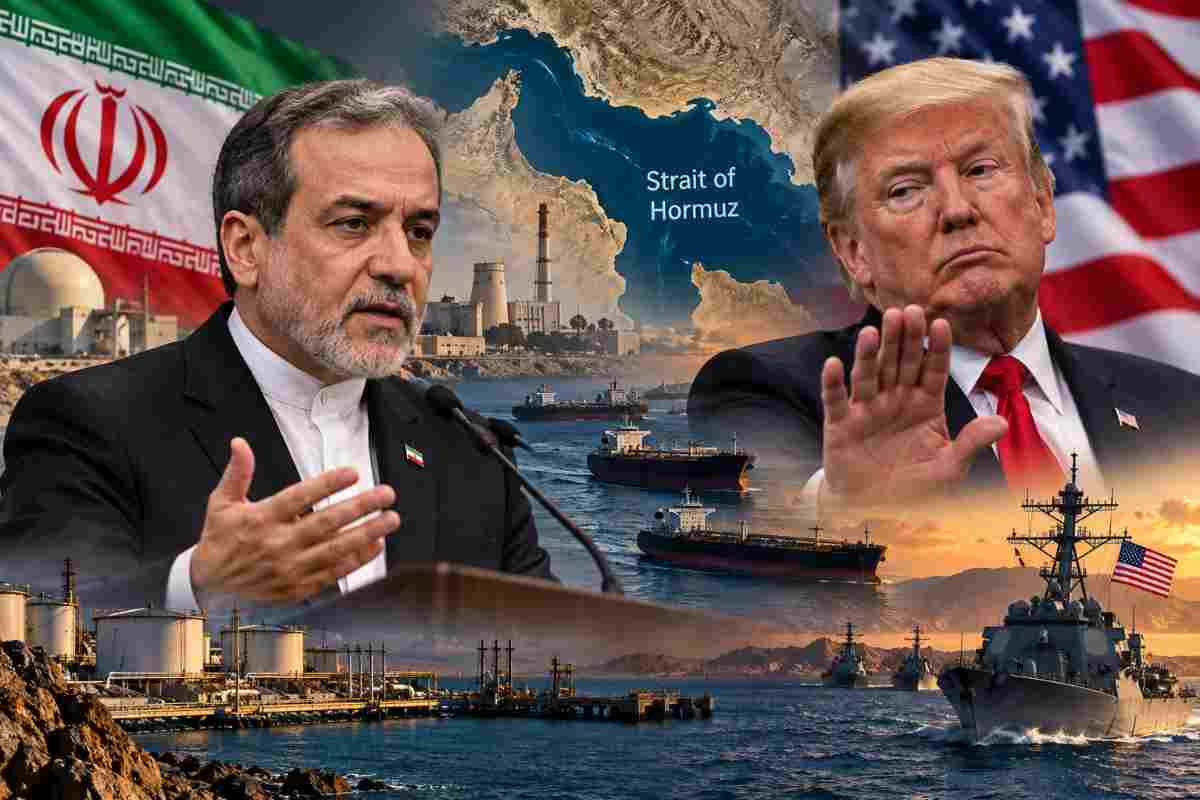
Tehran says only a negotiated settlement can break the deadlock after Trump rejects Iran’s proposal to reopen the Strait of Hormuz and halt regional fighting.
Iran has reiterated that diplomacy remains the only way to resolve its conflict with the United States and Israel, after U.S. President Donald Trump rejected Tehran’s proposal to reopen the strategically important Strait of Hormuz and move toward ending the fighting.
Iranian Foreign Minister Abbas Araghchi said on September 27 that Tehran’s conditions for reopening the waterway remained unchanged. He also said that Iran was still waiting for a definitive response from Washington through mediators, despite Trump publicly saying that he had rejected the Iranian proposal.
The exchange has left diplomatic efforts at a delicate stage, with the future of the Strait of Hormuz remaining closely linked to wider negotiations over the conflict.
Iran Says Negotiations Are the Way Out
Araghchi said Iran’s position was clear and that any move toward reopening the Strait of Hormuz would depend on Tehran’s conditions being met.
“Only a negotiated solution can get them out of this deadlock,” the Iranian foreign minister said in a social media post, according to Reuters.
Iran had presented a seven-day roadmap during the United Nations General Assembly in New York. The proposal was transmitted to the United States through mediators, including Qatar, and was aimed at creating conditions for reopening the waterway and restarting broader negotiations.
Tehran has linked the reopening of the strait to wider issues surrounding the conflict, including military pressure and the conditions for renewed negotiations.
Trump Rejects Iran’s Proposal
Trump publicly rejected the proposal on September 26, saying that the Iranian offer was not acceptable. He also argued that Tehran was seeking an agreement over the Strait of Hormuz because it was under significant pressure.
Trump said Iran wanted to make a deal to reopen the waterway and indicated that Washington itself was interested in reaching an agreement, but not on the terms presented by Tehran.
The U.S. president’s rejection came shortly after Iran had presented its seven-day roadmap, increasing uncertainty over whether the latest diplomatic contacts could produce another round of negotiations.
What Was in Iran’s Seven-Day Proposal?
Iran’s proposal was designed around a rapid sequence of steps. According to reporting on the plan, Tehran offered to reopen the Strait of Hormuz and restore normal maritime passage within seven days if specified conditions were met.
The proposal included demands related to the cessation of fighting, U.S. military pressure and restrictions affecting Iranian ports and oil exports. Iran also sought the implementation of understandings reached during earlier negotiations.
The Strait of Hormuz is particularly important because it is one of the world’s major energy shipping routes. Any prolonged disruption has implications for international oil and gas markets, shipping costs and fuel prices.
Strait of Hormuz Remains Central to the Conflict
The waterway has become one of the main points of disagreement between Washington and Tehran. Iran has tied its reopening to broader political and security conditions, while the United States has continued to emphasize its ability to maintain shipping access.
Earlier this week, Iran said it was prepared to reopen the strait if Washington reduced military pressure and lifted its blockade of Iranian ports. Iranian officials also said their delegation at the UN General Assembly had authority to pursue diplomatic negotiations.
The conflicting positions mean that the status of the waterway remains closely connected to the wider conflict rather than being treated as a separate shipping issue.
Diplomatic Channel Remains Open
Despite Trump’s rejection, Iranian officials have indicated that they are waiting for a formal response through diplomatic intermediaries before deciding on their next steps.
That leaves a narrow diplomatic channel open, although the positions of the two sides remain significantly different. Iran says negotiations are necessary to end the deadlock, while Trump has rejected the current proposal as unacceptable.
The coming days could therefore determine whether the latest exchange leads to renewed talks or further military and economic pressure.
Conclusion
Iran’s latest message keeps diplomacy at the center of its stated approach to ending the conflict, but Trump’s rejection of Tehran’s seven-day Hormuz proposal shows that the two sides have yet to agree on the conditions for moving forward.
With the Strait of Hormuz remaining a critical part of the dispute, any future agreement would likely have to address both the security situation and the terms governing commercial passage through the waterway. For now, negotiations remain possible, but no new agreement has been announced.